Can Ozone Therapy Help? What the Research Says About Oxygen-Based Healing
If you’re dealing with inflammation, low energy, chronic fatigue, brain fog or symptoms that haven’t responded well to conventional approaches, one contributing factor is sometimes overlooked:
How efficiently are your cells actually receiving and using oxygen?
That question is at the center of a growing body of research into ozone therapy—and it’s why oxygen-based therapies have drawn increasing attention within functional and integrative medicine.
Ozone won’t replace medically necessary care, and it isn’t a cure-all. But researchers have spent decades studying how it may support the body’s own oxygen utilization, circulation and redox balance—and why an advanced systemic approach called EBOO—Extracorporeal Blood Oxygenation and Ozonation has become a focal point of that research.
Quick Answer: Can Ozone Therapy Really Help?
Research suggests medical ozone may influence oxidative signaling, antioxidant defenses, inflammatory pathways, immune activity and circulation—mechanisms relevant to a wide range of chronic symptoms. It is not a proven cure for any specific disease, and the strength of the evidence varies significantly by condition and route of administration. Most researchers and integrative practitioners describe ozone, including systemic approaches like EBOO, as a supportive adjunct within a broader, individualized care plan rather than a standalone solution.
Why Oxygen Delivery Matters at the Cellular Level
Every cell in the body depends on oxygen to produce energy, repair tissue and regulate inflammation.
When oxygen delivery or utilization is impaired—whether from poor circulation, chronic inflammation, toxin burden or mitochondrial strain—the downstream effects can show up as fatigue, brain fog, slow recovery, or a general sense of not functioning at full capacity.
This is one reason functional and integrative medicine practitioners frequently ask a different question than “what symptom needs to be suppressed?” They instead ask what underlying systems—oxygenation, inflammation, circulation, detox pathways—might need better support.
Ozone therapy has become part of that conversation because of how it interacts with those systems.
How Does Ozone Actually Work?
Ozone (O₃) contains an extra, loosely bound oxygen atom compared with the oxygen we breathe (O₂)—and that extra atom is what makes it so reactive.
When ozone is introduced into blood under controlled medical conditions, researchers believe it:
- reacts rapidly, generating secondary compounds sometimes called ozonides and other oxidation products
- stimulates redox and cellular signaling pathways
- modulates immune system activity
- may support the body’s own antioxidant production
- has been studied in relation to mitochondrial and metabolic activity
- has been investigated for effects on circulation
In simpler terms: ozone does not add usable oxygen to the body directly. Instead, researchers believe the controlled oxidative signal it produces may help stimulate the body’s own adaptive and healing pathways—a concept often referred to as oxidative hormesis.
Research: Bocci V. Scientific and Medical Aspects of Ozone Therapy: State of the Art. Archives of Medical Research. 2006. View the study on PubMed
What Areas Has Ozone Research Explored?
Ozone is not a proven treatment for any of the conditions below. However, published research and clinical literature have explored ozone’s potential relevance to several broad categories of concern that often bring people to functional and integrative medicine:
Inflammation and Immune Regulation
- chronic inflammatory conditions
- immune system dysregulation
- oxidative stress
Infections and Microbial Burden
- chronic or recurrent infections
- gut microbial imbalance
- historical use in wound-related infection control
Metabolic and Cardiovascular Markers
- circulation and microvascular function
- metabolic health markers
Fatigue, Cognitive Function and Recovery
- chronic fatigue
- brain fog
- mitochondrial energy production
- post-illness or post-surgical recovery
Anyone with a diagnosed medical condition in any of these categories should discuss both conventional and complementary options with a qualified healthcare professional—research interest does not mean a condition has been established as treatable with ozone.
Research: The Role of Ozone Treatment as Integrative Medicine: An Evidence and Gap Map. 2023. View the study on PubMed Central
How Is Ozone Therapy Administered?
Ozone is never inhaled medically. Depending on the goal, it is typically delivered through one of several controlled methods:
Insufflation
Rectal, vaginal or ear application intended to support localized and systemic absorption through mucosal tissue.
Major Autohemotherapy (MAH)
A defined amount of blood is drawn, combined with a controlled ozone-oxygen mixture, and returned to the body—one of the most widely studied systemic ozone methods.
High-Dose Ozone (Multi-Pass)
A more intensive version of MAH involving larger blood volumes, often processed across multiple passes.
EBOO (Extracorporeal Blood Oxygenation & Ozonation)
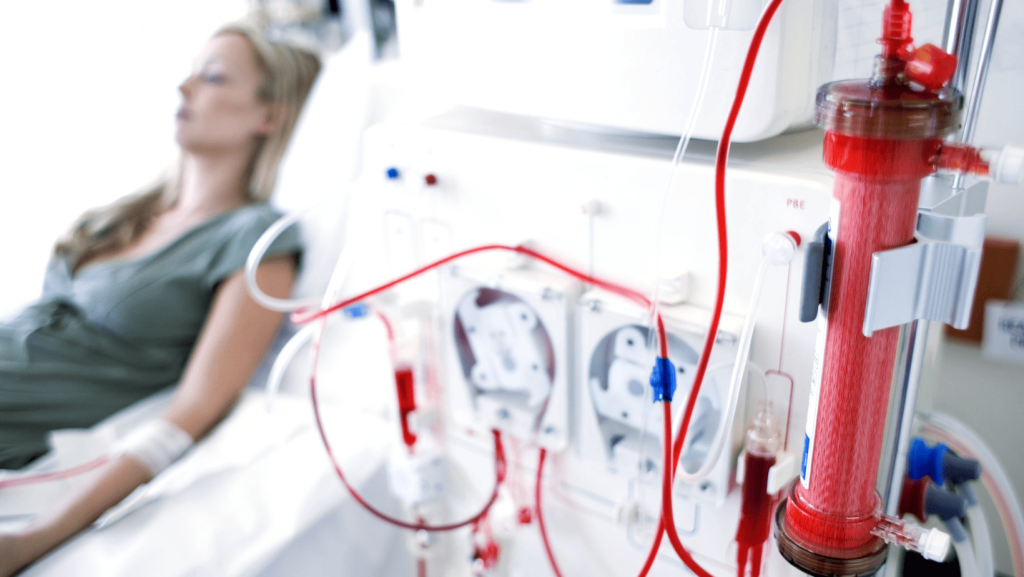
EBOO continuously circulates blood through an external oxygenation-and-ozonation circuit before returning it to the body, allowing a considerably larger volume of blood to be processed during a single session than traditional autohemotherapy.
Learn more: What Is EBOO Therapy? and see our full overview of ozone and EBOO in functional and integrative medicine.
Why Some Practitioners Consider Ozone Early in a Wellness Plan
Because ozone research touches on inflammation, oxidative stress and circulation—factors that influence how well the body responds to other interventions—some functional and integrative practitioners consider it early in a broader, individualized plan rather than as a last resort.
The reasoning is straightforward: if inflammation and impaired circulation are working against a person’s recovery, addressing those factors first may help the rest of a care plan perform as intended.
That doesn’t mean ozone should precede every other therapy for every person. The appropriate sequencing and combination of therapies depends on an individual’s health history, diagnosis, medications and goals, and should be developed with a qualified provider.
Is Ozone Therapy a Cure-All?
No, and it should never be presented as one.
Ozone therapy does not replace medically necessary treatment, and it is not FDA-approved to cure or treat any specific disease.
What the research does suggest is that ozone may help support the body’s own regulatory systems—oxygen utilization, inflammatory signaling, circulation and redox balance—which is why it is generally described as an adjunctive or supportive therapy rather than a standalone cure.
For some people already managing a chronic condition without full symptom relief, that kind of systemic support may be worth discussing with a qualified integrative or functional medicine provider—alongside, not instead of, appropriate medical care.
The Bottom Line: Is Ozone the Missing Piece?
For some people researching integrative options, addressing oxygen utilization and cellular support may be a piece of the puzzle that hasn’t been addressed by conventional treatment alone.
Ozone doesn’t mask symptoms the way some interventions do. Instead, researchers are studying how it may help support the body’s own capacity to function, recover and regulate itself.
If you’ve explored other options without the results you were hoping for, ozone therapy—administered appropriately and evaluated alongside your existing care—may be worth a conversation with a qualified provider.
Frequently Asked Questions
Can ozone therapy actually help with chronic symptoms?
Research suggests ozone may influence oxidative signaling, inflammatory pathways, immune activity and circulation, which are relevant to many chronic symptoms. It is not a proven cure, and results vary by individual and condition. It should be considered a supportive adjunct rather than a standalone treatment.
How does ozone create a healing response if it’s a reactive, oxidizing molecule?
Researchers believe controlled ozone exposure produces a brief, controlled oxidative signal that stimulates the body’s own adaptive antioxidant and repair pathways—a concept known as oxidative hormesis. This differs from prolonged, uncontrolled oxidative stress associated with disease.
What conditions is ozone therapy being researched for?
Published research has explored ozone in relation to inflammation, immune regulation, circulation, metabolic markers, chronic fatigue and recovery, among other areas. Research interest does not mean ozone has been established as a treatment or cure for any specific condition.
What is the difference between MAH, high-dose ozone and EBOO?
Major Autohemotherapy (MAH) treats a defined, smaller volume of blood. High-dose ozone is a more intensive version involving larger volumes, often across multiple passes. EBOO uses continuous extracorporeal circulation, allowing the largest volume of blood to be processed of the three during a single session.
Should ozone therapy be used instead of my current treatment?
No. Ozone therapy should be considered a complementary or adjunctive approach and should not replace medically necessary treatment without consulting the healthcare professional managing your condition.
Is ozone therapy safe?
Safety depends on proper patient screening, sterile technique, correctly calibrated medical-grade equipment and administration by an appropriately trained professional. Ozone should never be inhaled.
Is EBOO right for everyone?
Not necessarily. EBOO is generally considered an advanced, systemic form of ozone therapy, but appropriateness depends on an individual’s health history, current medications, goals and any underlying medical conditions. A qualified provider can help determine whether it’s appropriate.
Is ozone therapy FDA approved?
Ozone therapy should not be represented as an FDA-approved treatment for curing or treating specific diseases. Patients should discuss regulatory status, evidence, alternatives, benefits and risks with a qualified healthcare professional.
Where can I find EBOO therapy near me?
EBOONearMe.net provides educational information about EBOO, medical ozone therapy and providers offering advanced ozone therapies. Learn more about EBOO Therapy or find EBOO therapy near you.
Medical Research & References
Bocci V. Scientific and Medical Aspects of Ozone Therapy: State of the Art. Archives of Medical Research. 2006. PubMed PMID: 16624639
Elvis AM, Ekta JS. Ozone Therapy: A Clinical Review. Journal of Natural Science, Biology and Medicine. 2011. National Library of Medicine / PubMed Central
The Role of Ozone Treatment as Integrative Medicine: An Evidence and Gap Map. 2023. National Library of Medicine / PubMed Central
Ozone as a Vascular Therapy: A Review. 2011. PubMed PMID: 21446774
Medical Disclaimer: This article is provided for educational purposes only and is not intended to diagnose, treat, cure or prevent any disease. Medical ozone and EBOO should not replace appropriate medical evaluation or medically necessary treatment. Individual eligibility, potential risks and expected benefits should be discussed with a qualified healthcare professional.
In Health,
Ginger Delph
Founder & Owner | Core iV Health & Wellness Center
Advanced IV Therapy | Biohacking | Regenerative Wellness
📍 Herndon, VA
📞 1-866-426-7348
✉️ ginger@coreivtherapy.com
🌐 coreivtherapy.com
“Your health is your greatest asset. Invest wisely.”